
“Bɔnətjə me:?”
Nog een keer, alstublieft?

No matter how long you study a language or how fluent you become, colloquial speech will always remain the bottleneck.
There are no rules for it. There’s often no logic behind it. It wasn’t defined by a group of scholars during an official grammar review session. It originated haphazardly on the streets or in the schoolyard, following the law of the jungle.
As long as enough speakers adopt a particular colloquial variant, it will become commonplace, regardless of whether it makes sense or fits with similar expressions or constructions.
Ultimately, colloquial language doesn’t care about anything—except the number of users.
It’s no surprise that spoken language, with its rapid and widespread dissemination via social media, is now subject to change much faster than ever before.
One saying that has since long been part of spoken language, is still commonplace. It is a question that the supermarket cashier routinely asks the customer after scanning the groceries.
For many internationals who have just arrived here, it is often the first spoken Dutch they will hear, even while still at the airport.
No native speaker will give it a second thought. But to an untrained ear it is unintelligible and difficult to deduce from context, even though a variation exists in most languages.
“Bɔnətjə me:?” *
Grammatically speaking, it is not even a correct sentence, which is very often the case in spoken language. Not only is the verb missing, so is the personal pronoun—and I haven’t even mentioned the missing article yet. The question has, in fact, been stripped down to the bare bones. As if the cashier has no time or words to waste on their customer after the transaction has been completed. After all, their time is money.
“Bɔnətjə me:?”
The non-native speaker racks their brain trying to figure out what the cashier means. If they need a bag? Did the payment not go through? Is the cashier wishing them a nice day?
The others in line are slowly getting impatient. After all, their time is money too.
Before the non-native speaker can say, “Sorry?”, the receipt has been shoved into their hands.
It took my student Alberto from Brazil weeks of grocery shopping before he finally got it: “Bonnetje mee?”
“Nee, bedankt”, Alberto replied, feeling instantly very Dutch.
* transcribed in International Phonetic Alphabet
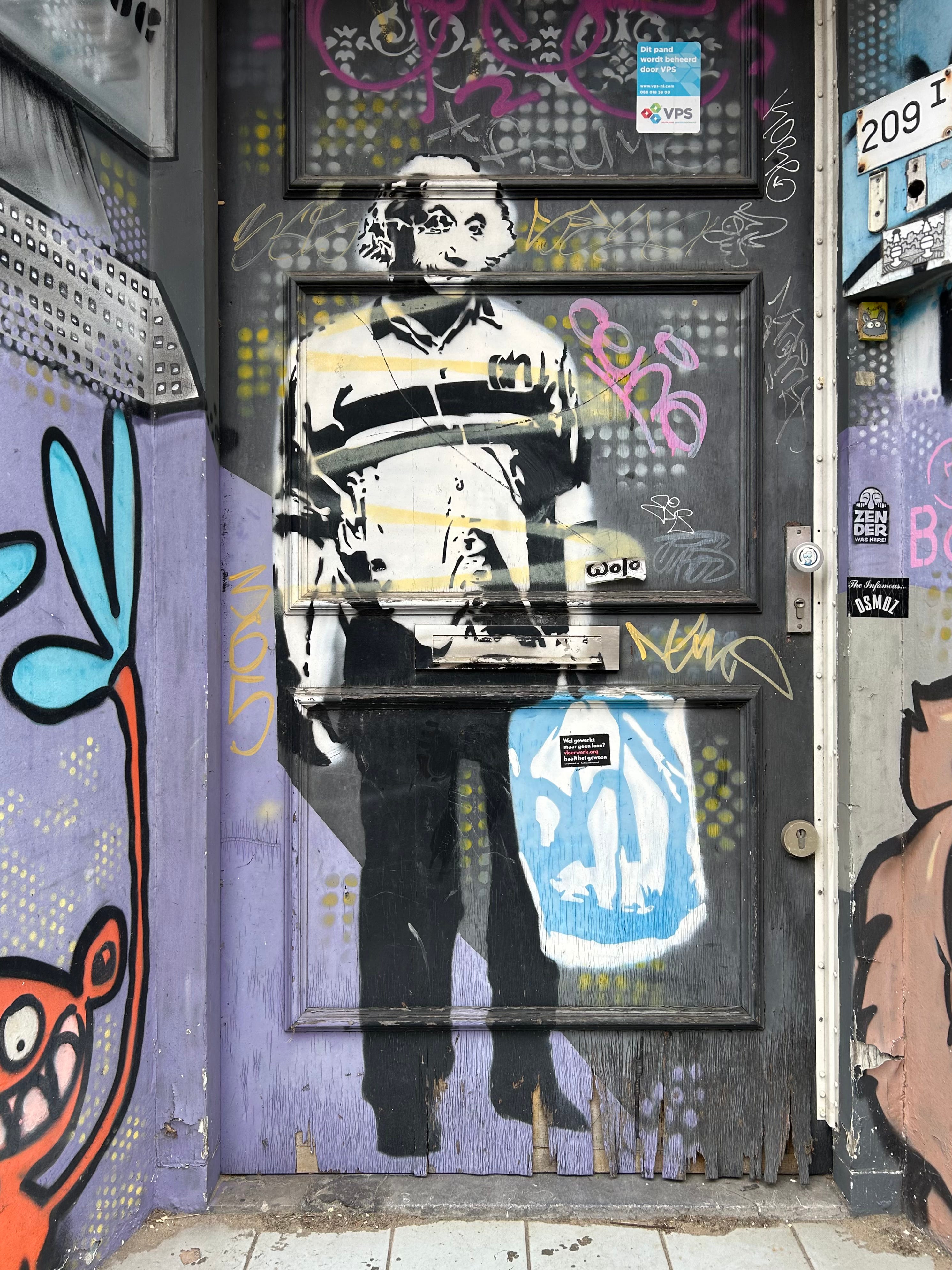
Bonnetjeslingo
(Wil je het) bonnetje mee(nemen)? - (Do you want to have) a receipt?
De boodschappen - groceries
Het bonnetje/de kassabon - receipt
De kassamedewerkster/ker - cashier
De zelfscankassa - self-checkout
More typical Dutch colloquial speech? Buy my bilingual book Nederlands is zooo makkelijk | Dutch is sooo easy here. Or ask for it at your local bookstore.
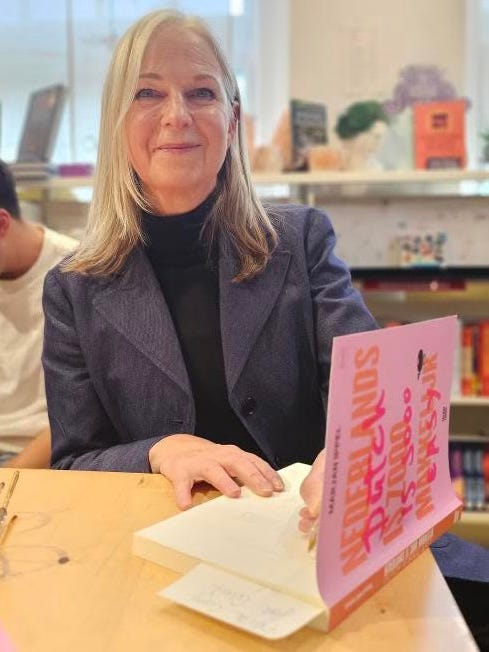
De vaste cassière hier bij de supermarkt zegt altijd ¨bonnetje nog?¨